
What Does Wastewater Reveal About Our Health? The WATCH Project Is Trying to Find Out
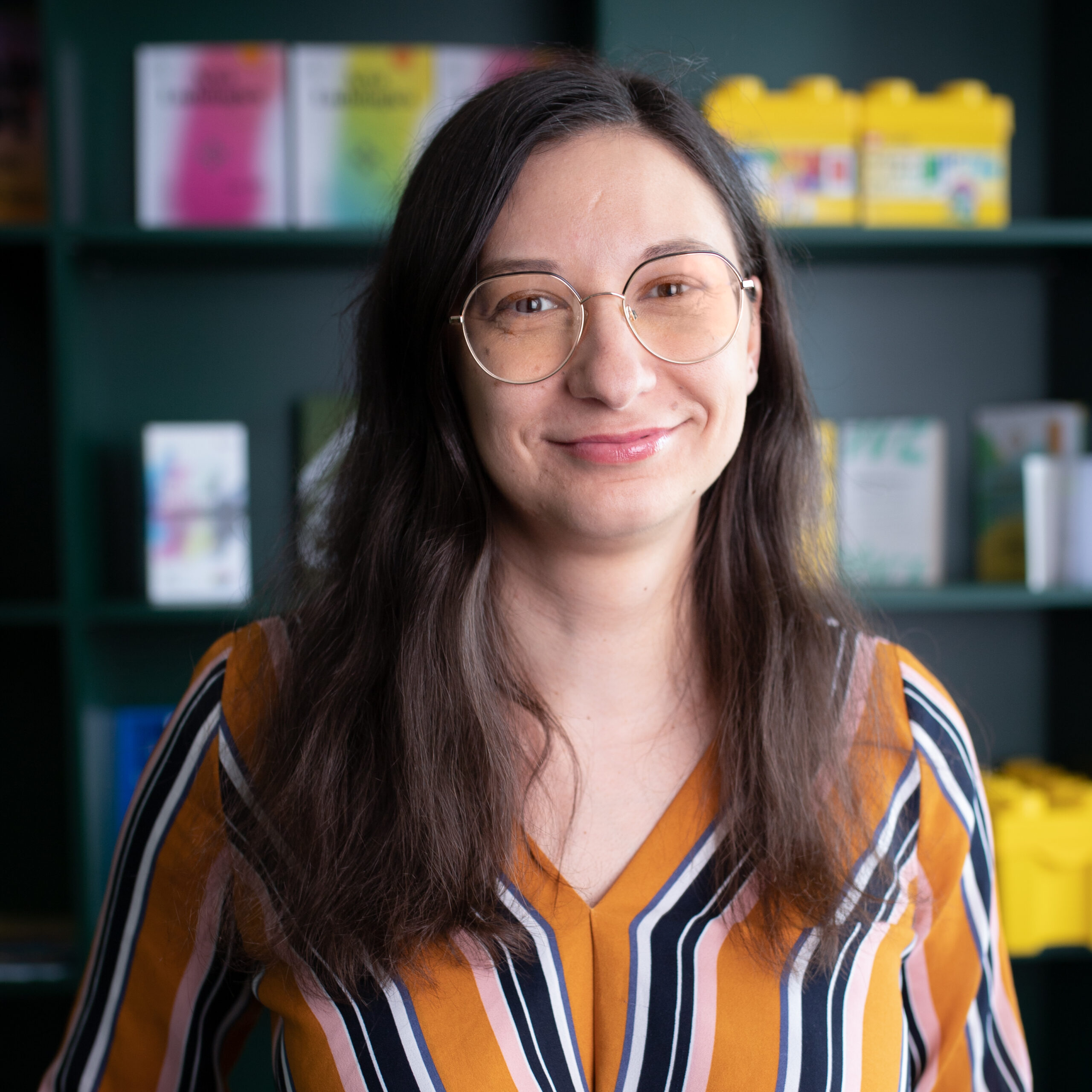
The research brings together the expertise of specialists in wastewater epidemiology, analytical chemistry, microbiology, sensor technology, artificial intelligence, and environmental monitoring. The seven-member project consortium is coordinated by the University of St. Cyril and Methodius in Trnava. Professor Tomáš Mackuľak discusses the project, its ambitions, and the practical applications of its findings.
The importance of wastewater as a source of information was fully demonstrated during the COVID-19 pandemic. It was then that it became clear that wastewater monitoring can provide a timely and independent picture of the spread of infection within the population. The WATCH project aims to take this principle a step further. “Our ambition was to significantly expand this principle: not just to track a single virus, but to link infectious diseases, lifestyle, drug and medication use, environmental pollution, air quality, and safety risks,” explains Professor Tomáš Mackuľak.
The WATCH project, therefore, did not originate as an isolated technological idea. It is based on more than a decade of the researchers’ experience analyzing wastewater, drug metabolites, pharmaceuticals, micropollutants, pathogens, and antibiotic resistance genes. Building on this knowledge, the project involves the development of sensors, decontamination technologies, advanced analytical methods, and tools for processing large amounts of data.
A Mirror of Society
Wastewater contains a wealth of information about the substances that people excrete, use, or discharge. When properly collected and analyzed, it can provide an anonymized snapshot of what is happening in a specific location.
Experts can use it to track, for example, the genetic material of viruses and bacteria, selected pathogens, antibiotic resistance genes, residues of pharmaceuticals and antibiotics, as well as drugs and their metabolites. At the same time, it can provide information on certain lifestyle indicators, such as caffeine or alcohol biomarkers. From an environmental perspective, it is possible to monitor pesticides, industrial chemicals, toxic substances, micropollutants, and selected forms of microplastics.
However, an important part of Mackuľak’s explanation is also a warning about the limitations of this method. Wastewater cannot diagnose a specific person. The results may indicate a population trend or an atypical signal, not a specific individual with a specific disease.
From Signal Detection to Prediction
The WATCH project does not intend to stop at laboratory measurements. One of its goals is to link wastewater data with information from sensors, meteorological data, air quality data, and other environmental, health, or spatial databases.
Artificial intelligence will play a significant role in this process. It is designed to assist not only in processing large amounts of data but also in identifying patterns that humans might overlook in complex datasets.
“The highest level will be prediction: estimating future developments, creating risk maps, recognizing an emerging epidemic or an unusual chemical signal, and suggesting where control samples need to be taken,” explains Mackuľak.
However, according to him, artificial intelligence is not meant to replace expert decision-making. The output should consist of probabilities, risk scores, and an explanation of the data on which the model is based. The final interpretation and decision will remain with experts and the relevant institutions.
DATA-KOCKA, SEWAGE MIND, and CitySenseAI
The project includes three major technological outputs, each of which serves a different purpose.
DATA-KOCKA will function as a shared data warehouse and, at the same time, the project’s common language. It is designed to link laboratory results with sensor, meteorological, geographic, demographic, health, and environmental data.
SEWAGE MIND will be the analytical “brain” of the system. It will focus primarily on data from wastewater and the sewer network. Its role will be to evaluate trends, identify anomalies, compare current results with normal conditions, and generate alerts or predictions.
CitySenseAI, on the other hand, can be viewed as a map and city simulator. The digital twin will allow data to be contextualized within a spatial framework and linked, for example, to air quality, meteorological conditions, or the characteristics of a specific area.
“Simply put: DATA-KOCKA stores and links data, SEWAGE MIND interprets it, and CitySenseAI visualizes it in space and enables the modeling of possible scenarios,” explains Mackuľak.
WATCH Brings Together Multiple Research Areas
Seven entities are collaborating on the project, each bringing different areas of expertise to the consortium. As the coordinator, UCM primarily conducts research in the fields of wastewater epidemiology, analytical chemistry, microbiology, and molecular biology, as well as health and environmental risk assessment and sensor technology. This expertise also includes decontamination and disinfection technologies, as well as environmental monitoring systems.
Partners from the Slovak University of Technology in Bratislava contribute expertise in environmental and process engineering, water treatment technologies, materials research, modeling, and automation. The Police Academy in Bratislava provides a security and criminological perspective. The Slovak Center for Scientific and Technical Information contributes expertise in scientific data and data infrastructure. YMS, a. s., is involved in data and geoinformation integration; SEC Technologies, s. r. o., in the remote detection of chemical substances in the air; and CHEZAR, spol. s r. o., in membrane and separation processes and water treatment technologies.
Mackuľak considers the interconnection of these areas to be one of the project’s greatest strengths. The goal is not merely to produce a scientific publication, but to create a system capable of translating scientific results into technology and, subsequently, into practical decision-making.
First Results Even During the Project
The project will run from May 2025 to December 2029. However, this does not mean that we will have to wait until its completion to see results.
Validated analytical methodologies, a regular sampling system, multi-year time series, new sensor solutions, a mobile membrane system for sample collection and concentration, and adapted LIDAR air quality measurements are all expected to be developed during the project. At the same time, functional prototypes of the SEWAGE MIND, CitySenseAI, and DATA-KOCKA platforms are expected to be developed.
“We therefore expect to see the first maps, identified trends, pilot alerts, scientific publications, methodological outputs, and trained experts even before the project concludes,” says Mackuľak.
Longer-term effects are expected to materialize in the coming years. These will include, for example, expanding the system to additional locations, the use of results by institutions, the creation of longer time series, the transfer of technologies into practice, and real-world interventions based on early warnings.
An Opportunity for Students, Too
WATCH also creates opportunities for students and doctoral candidates to get involved. They can participate in sample collection and preparation, analytical methods, PCR and sequencing, sensor calibration, GIS processing, programming, and the development of artificial intelligence models.
The project’s results can thus be incorporated into bachelor’s theses, master’s theses, doctoral dissertations, professional internships, and teaching. Students will not only work on model tasks but also on real-world environmental problems and real data.
Ensuring WATCH Is More Than Just a Project
The WATCH project aims to be among the most comprehensive integrated systems of its kind in Europe. Its uniqueness does not lie in wastewater monitoring alone—which is already in use across Europe—but in the scope of its integration of individual technologies and data sources—from chemical, biological, and genetic analysis through smart sensors and air quality monitoring to artificial intelligence, a digital twin of the city, and applications for public health, the environment, and law enforcement.
Mackuľak therefore does not consider the sheer number of publications, devices, or applications developed to be the true measure of the project’s success. What will be decisive is whether the project succeeds in creating a system that experts trust and that can be realistically used in decision-making.
“The greatest success would be if, after five years, WATCH were not just a completed project, but a functioning infrastructure for public health and environmental safety,” concludes Professor Tomáš Mackuľak.


