UCM Has Become a Hub for the European Debate on Academic Integrity
A new network called SAFE has been established in Slovakia for people who handle complaints, conflicts, and injustices at universities. It was founded at the V4 OmbudsLink conference, which brought experts from five countries to UCM on November 6.
Who can help a student who feels she has been graded unfairly? Who can a doctoral student turn to when in conflict with her advisor? At many European universities, there is an academic ombudsman—an independent person who listens, advises, and seeks solutions. In Slovakia, this profession is still in its infancy. Experts working in this field now have their own network.
Independence Does Not Mean Opposition
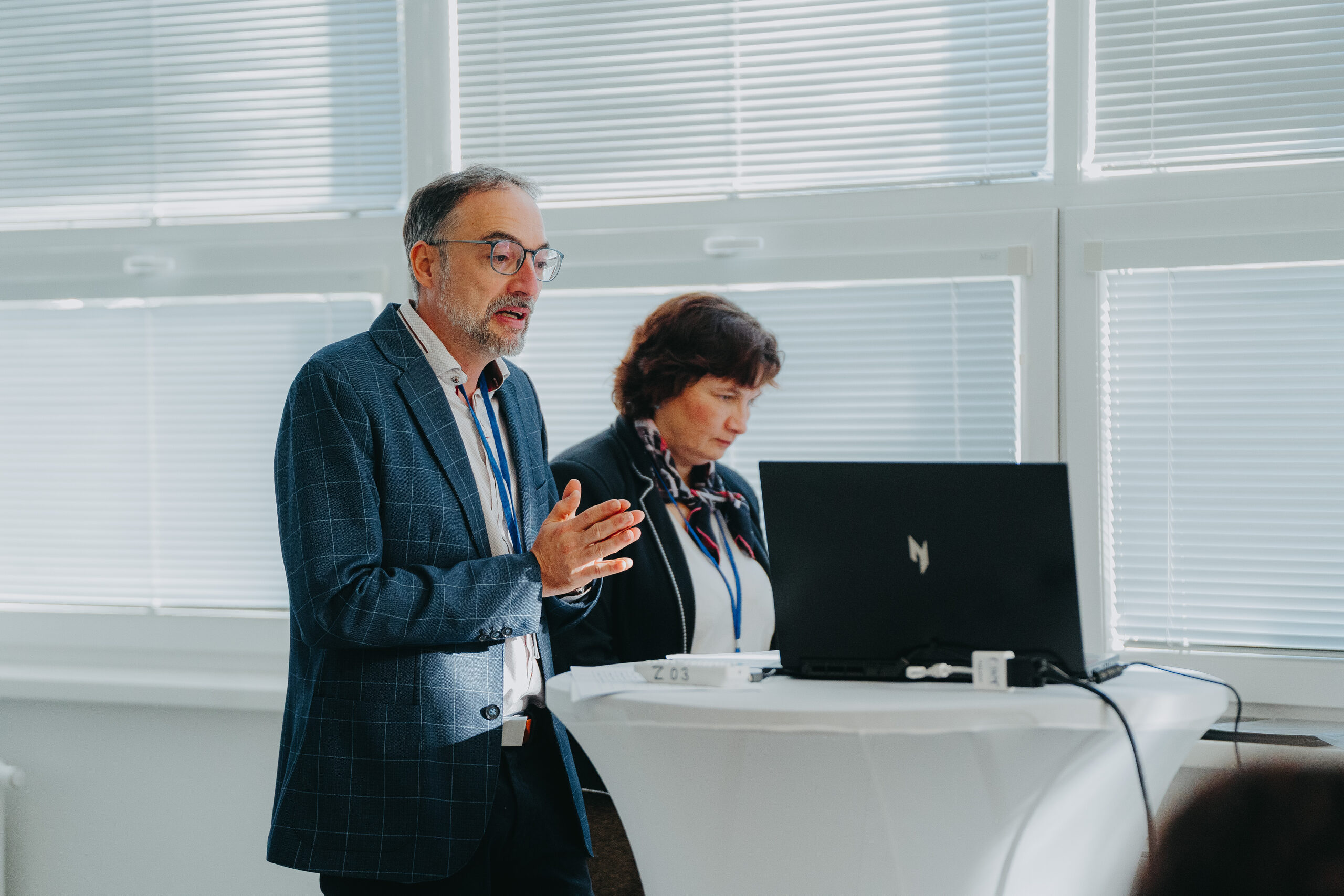
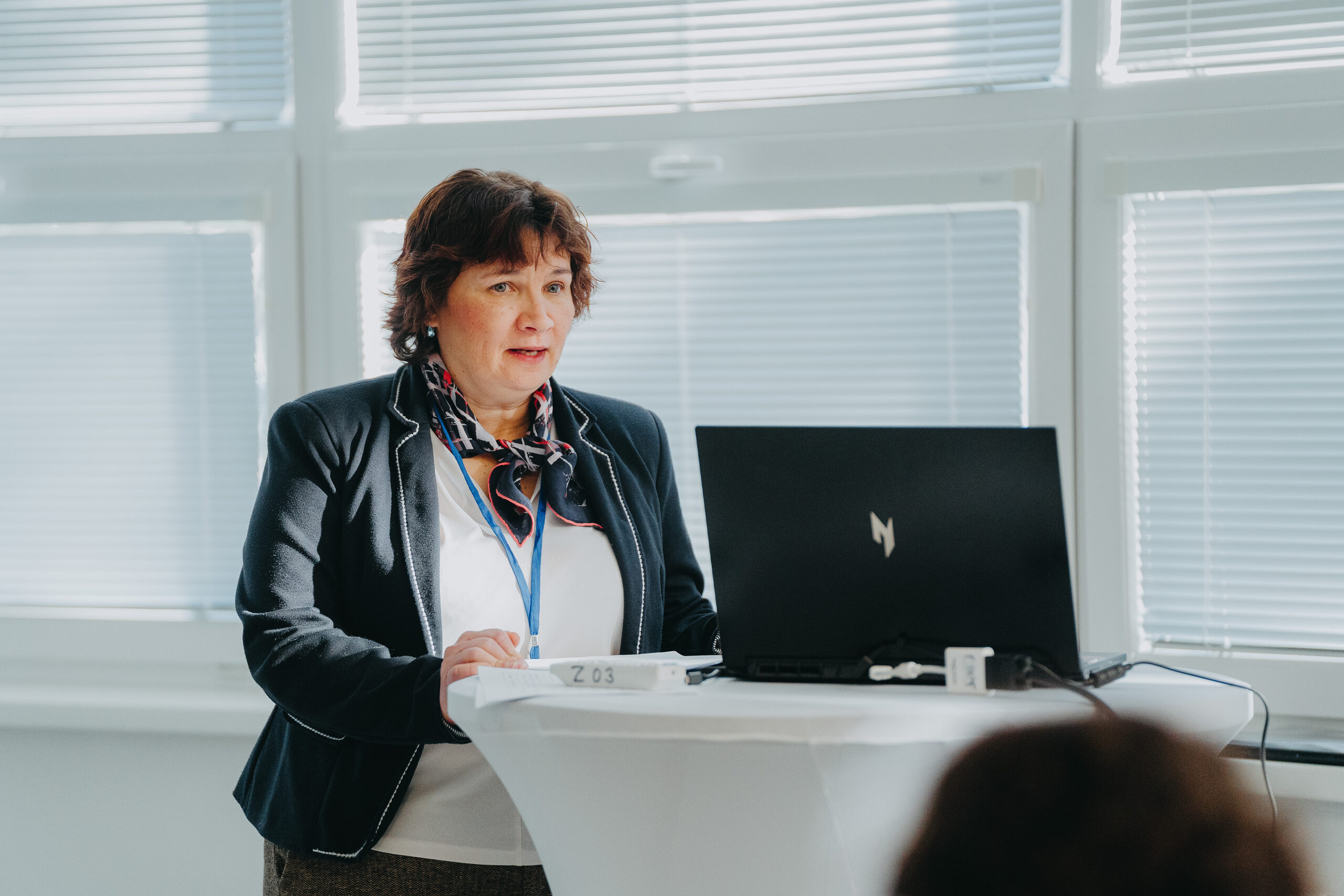
The conference was hosted by the University of St. Cyril and Methodius in Trnava. Its rector, Iveta Dirgová Luptáková, emphasized that the ombudsman is not an enemy of the university administration. “On the contrary, an effective ombudsman institution can become a valuable partner in improving university governance. Independence does not mean opposition. It means credibility,” she said.
The event brought together representatives from universities in the Czech Republic, Poland, and Slovakia, including Charles University, Warsaw University, Jagiellonian University, Masaryk University, and Comenius University. Markus Seethaler from the Austrian Student Ombudsman’s Office also attended, as did a Hungarian delegation including representatives from the Organizational Ombuds Association and the United Nations High Commissioner for Refugees (UNHCR).
The Power of Fate
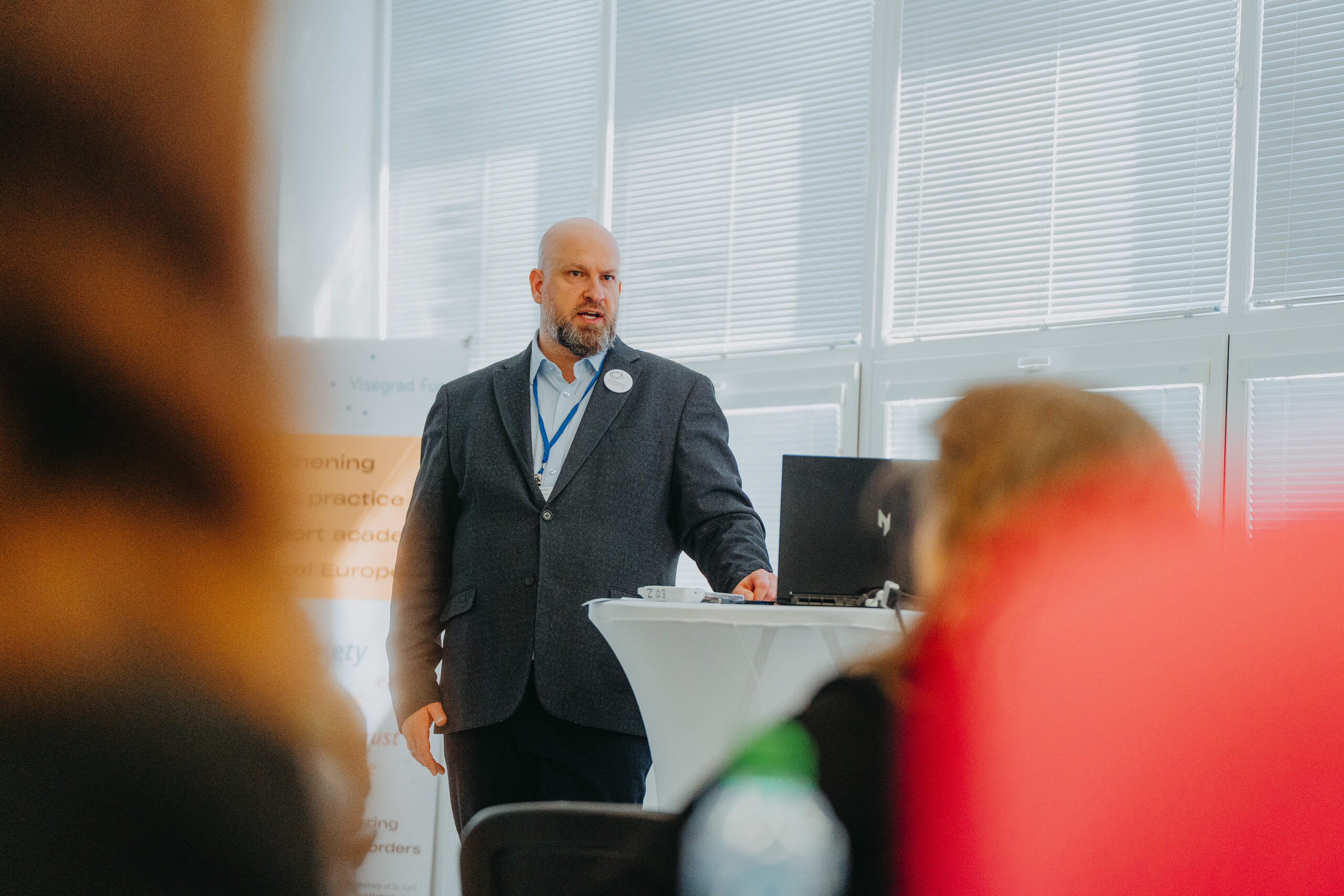
The keynote speaker was Josef Leidenfrost, the first elected president of the European Network of Ombudspeople in Higher Education (ENOHE). In his lecture titled “The Force of Destiny,” he drew on his many years of experience. His message was clear: ombudsmen need cross-border networks so they can exchange experiences and learn from one another.
He praised the cooperation among the V4 countries and described the project’s outcome—the publication *Ombuds Compass*—as an exceptionally impressive set of practical tools. In his view, it can serve as a model for other countries as well. He also recalled the 2020 Rome Communiqué, in which European ministers of higher education recognized that ombuds offices help protect students’ rights.
A Compass for Academic Ombudsmen
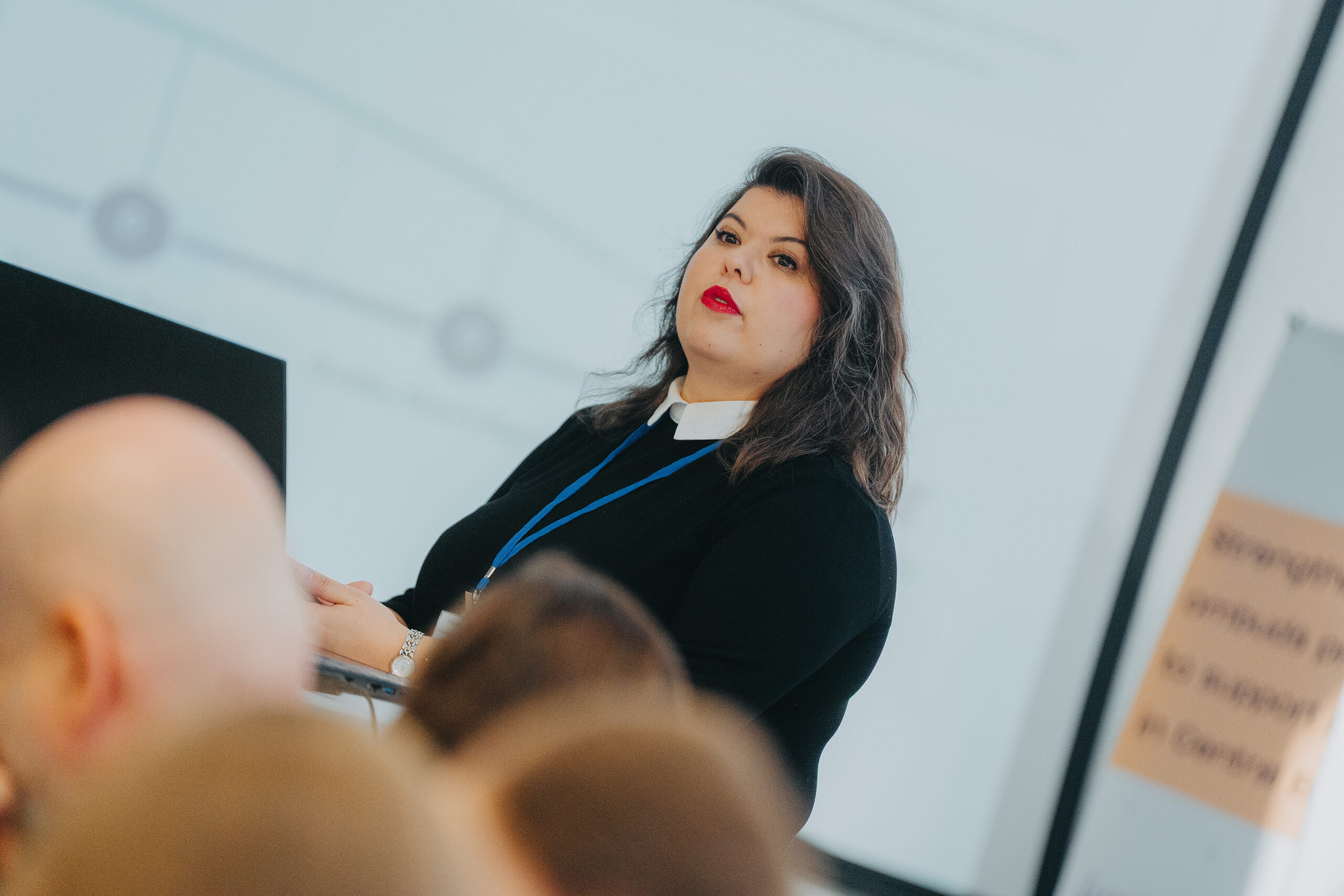
The publication *Ombuds Compass: Practical Guidance and Tools for University Ombuds in Central Europe* was prepared by international working groups. It provides answers to three questions: what exactly does an ombudsman do, how can one inform people at the university about their services, and how does one report on their work? Participants immediately put it into practice during workshops led by Zuzana Andreska, Vladimíra Hladíková, and Jan Gałkowski.
SAFE: A Network for Fairer Universities
The biggest news for Slovakia was the launch of the SAFE network—the Network for a Fairer and Safer Academic Environment. It brings together ombudspersons, confidential counselors, and other experts from universities and research institutions. The founding charter was signed by Ildikó Matušíková from UCM, Andrea Fábiková and Magdaléna Musilová from Comenius University, and Zuzana Staňáková from the Slovak Center for Scientific and Technical Information. Josef Leidenfrost, Jaroslav Šotola, Anna Cybulko, and Tünde Kerekesné Kajári signed it as honorary witnesses.
“The ombudsman’s office in Slovakia will no longer rely solely on the initiative of individuals but will have a solid structure. I am convinced that it will be crucial for all universities,” said Ildikó Matušíková, a professor at the Faculty of Philosophy and Social Sciences (FPV) at UCM.
The project has ended, but the collaboration continues
The V4 OmbudsLink: Fostering Collaboration Across Borders project ran from June 2025 to November 2026. It was implemented by the Czech platform Školské ombudsmanstvo (ŠOP), the Polish Academic Network for Safety and Equality (ASBiR), and UCM in Trnava, with the assistance of Hungarian experts. Although it has formally ended, it has left behind practical tools, new contacts, and a network that intends to continue its work.
More information: SAFE – Network for a Fairer and Safer Academic Environment
Ombuds Compass: Publication – currently available version